Critical infrastructure
AI security for critical infrastructure.
In energy, water and communications, vendors ship models into systems operators own.
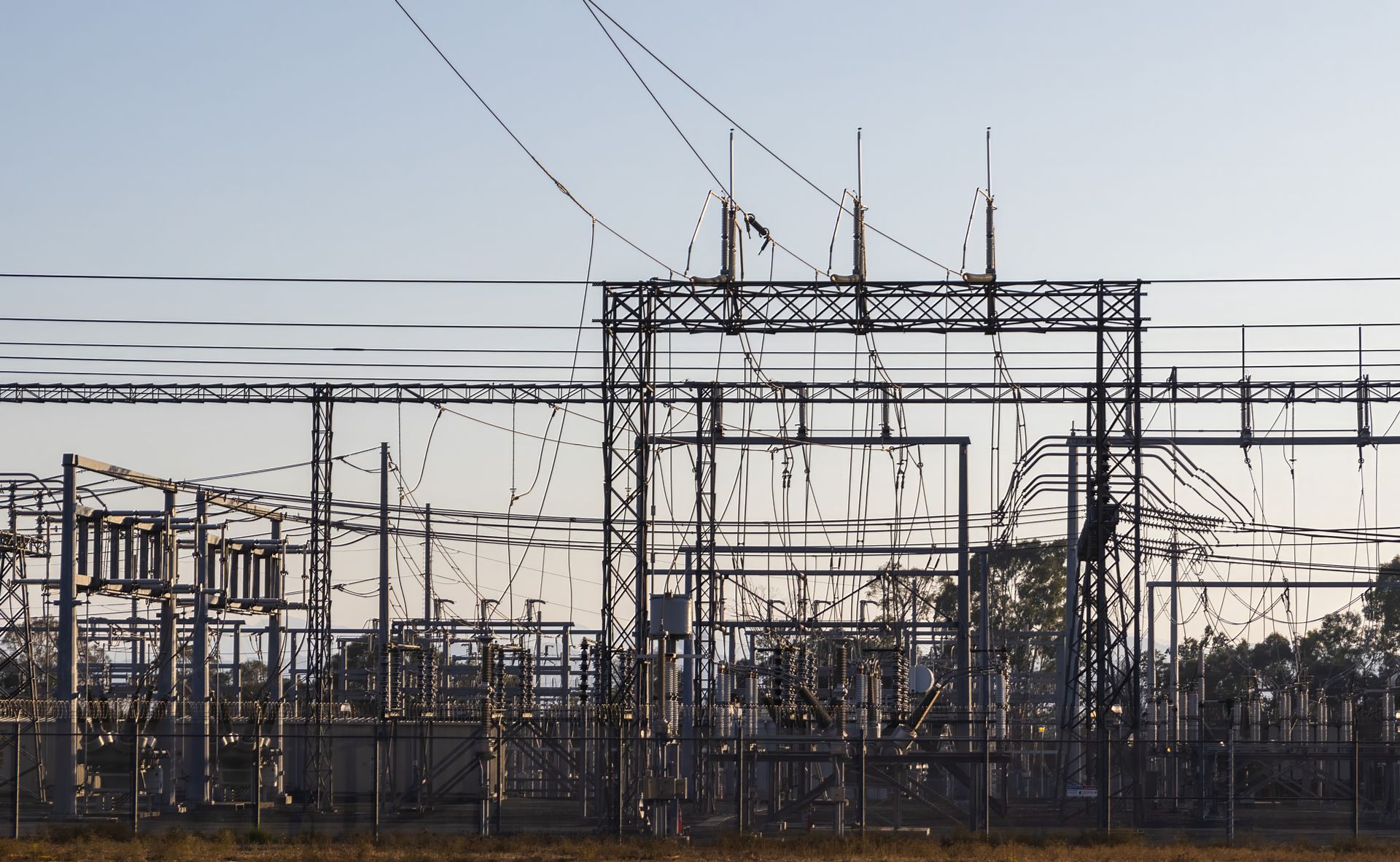
Why it matters
The vendor ships it. The operator runs it.
Releases cross operators
Both sides need to know which release is running.
An unapproved release is a security event
A change to an operational system, to be handled as one.
The change record needs the model
What was approved, for where, and what the runtime reported.
How Vraelis Contour would apply
How Vraelis Contour worksFive steps, release to record.
Identify the release
Bind approval to the release and destination
Destination-bound approval: one site's approval does not cover another.
Integrate with a supported runtime
Compare approved and reported
Preserve discrepancies, missing evidence and recovery
Deployment evidence kept for the operator's change process.
Limits
What we do not claim.
- No deployments with utilities or other operators, and no customers.
- No integration with control systems or operational technology networks.
- No replacement for an operator's change management or protective controls.
- No certification or regulatory compliance.
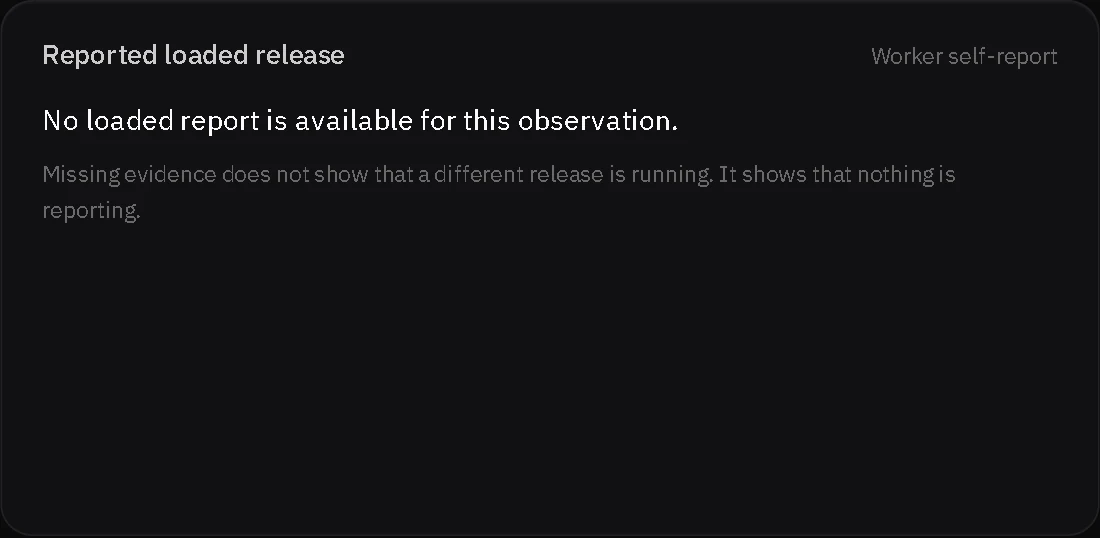
- No hardware attestation. Runtime identity is a worker self-report.
Related research



Build stronger evidence for model releases.
Join us in building Vraelis Contour.