The workflow
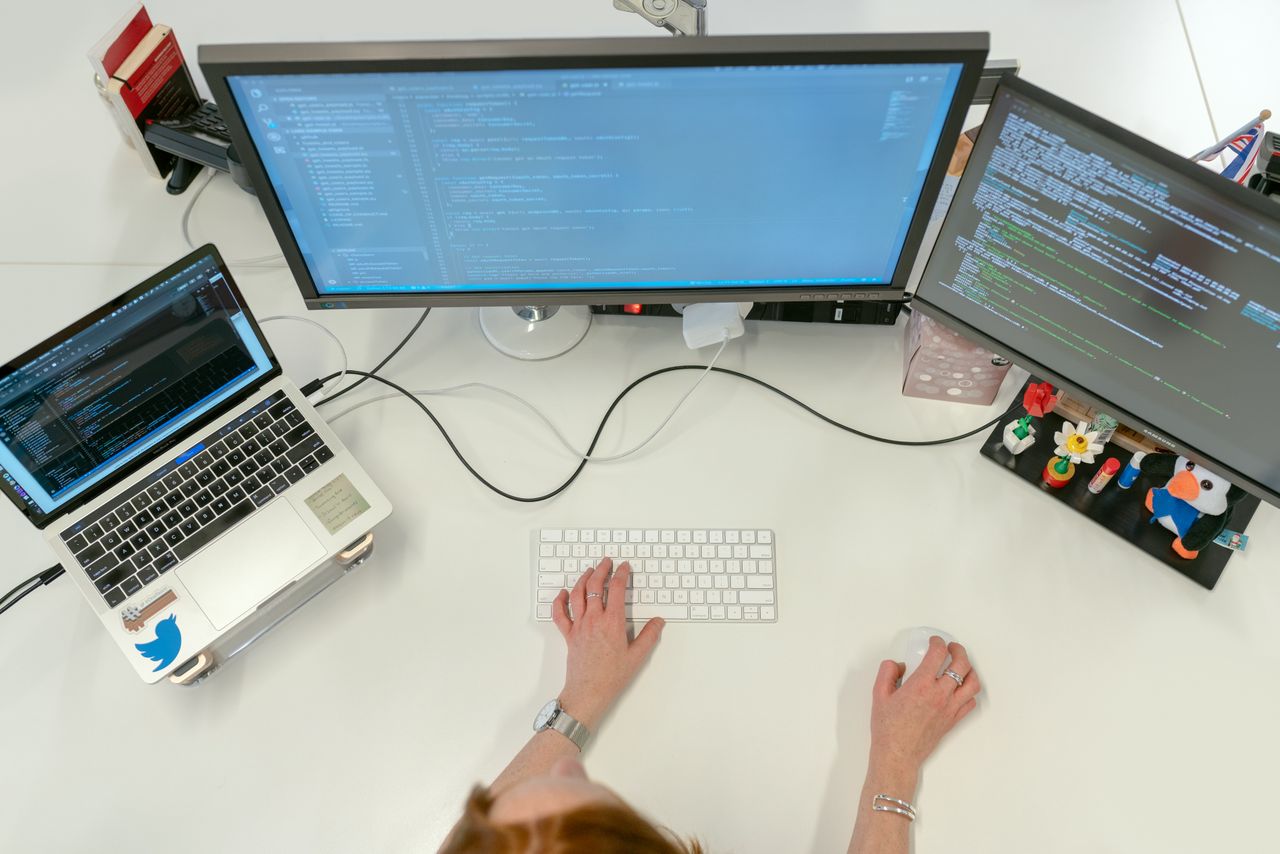
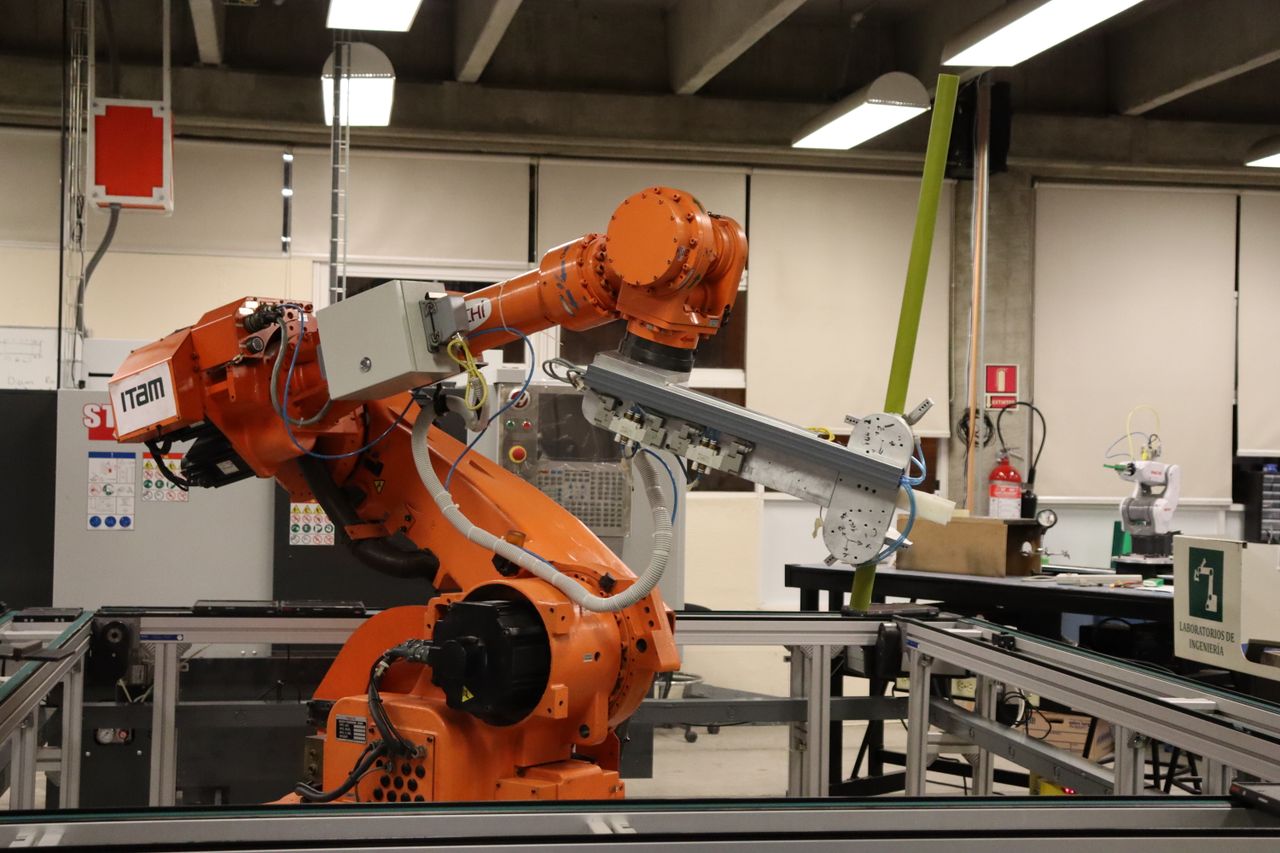
We are building Vraelis Imprint for robotics, controls and simulation engineers, independent builders, research groups and organizations developing physical systems. The intended workflow brings code, models and device interfaces into a defined operating environment, then varies conditions to study capabilities, limits and failure responses before deployment.
Inputs and operating environment
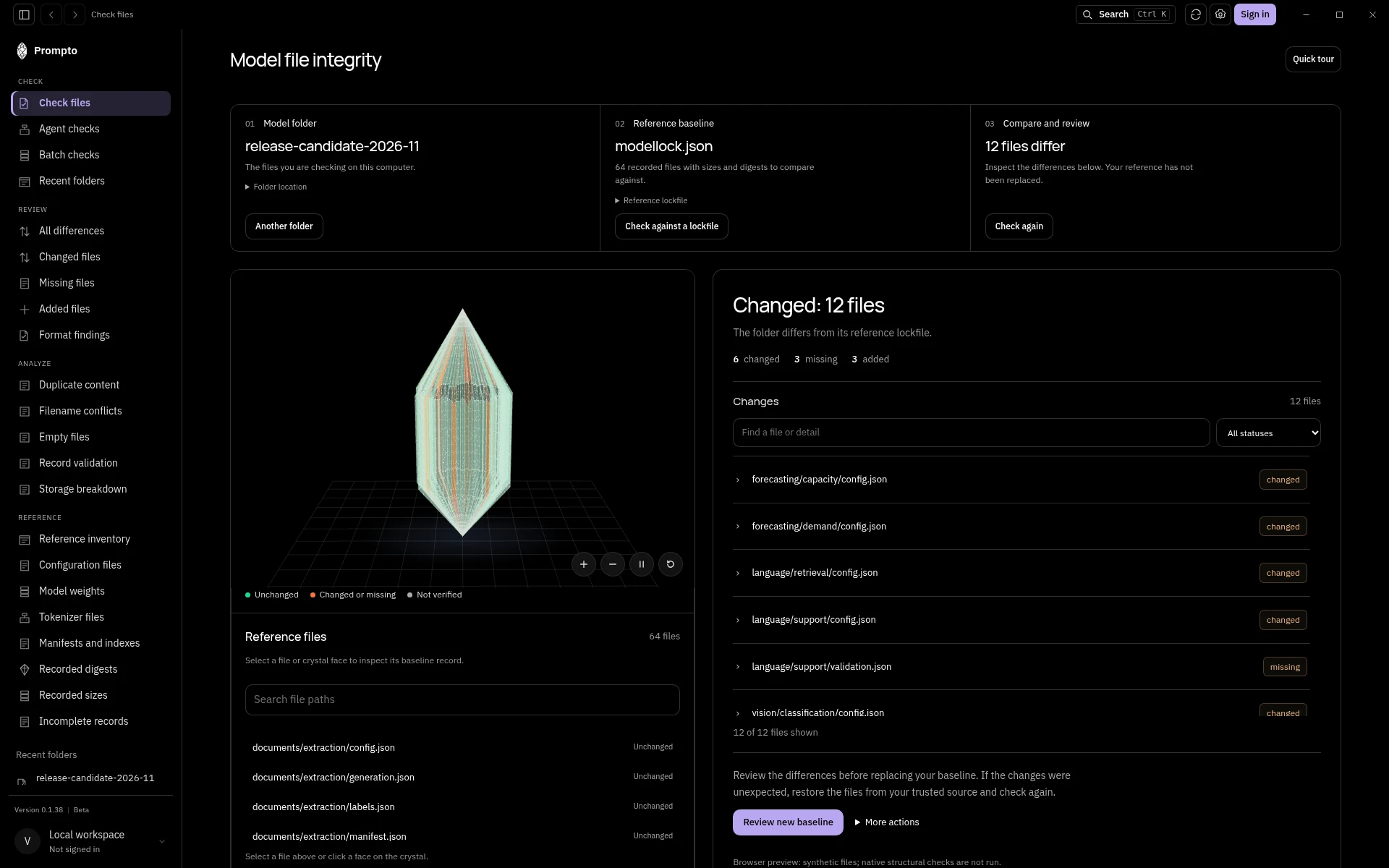
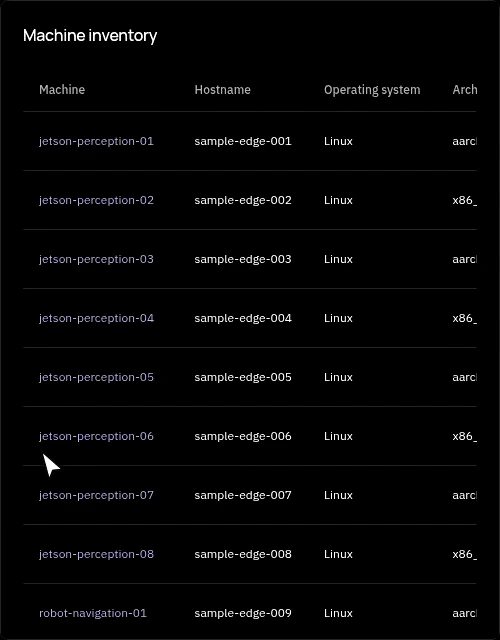
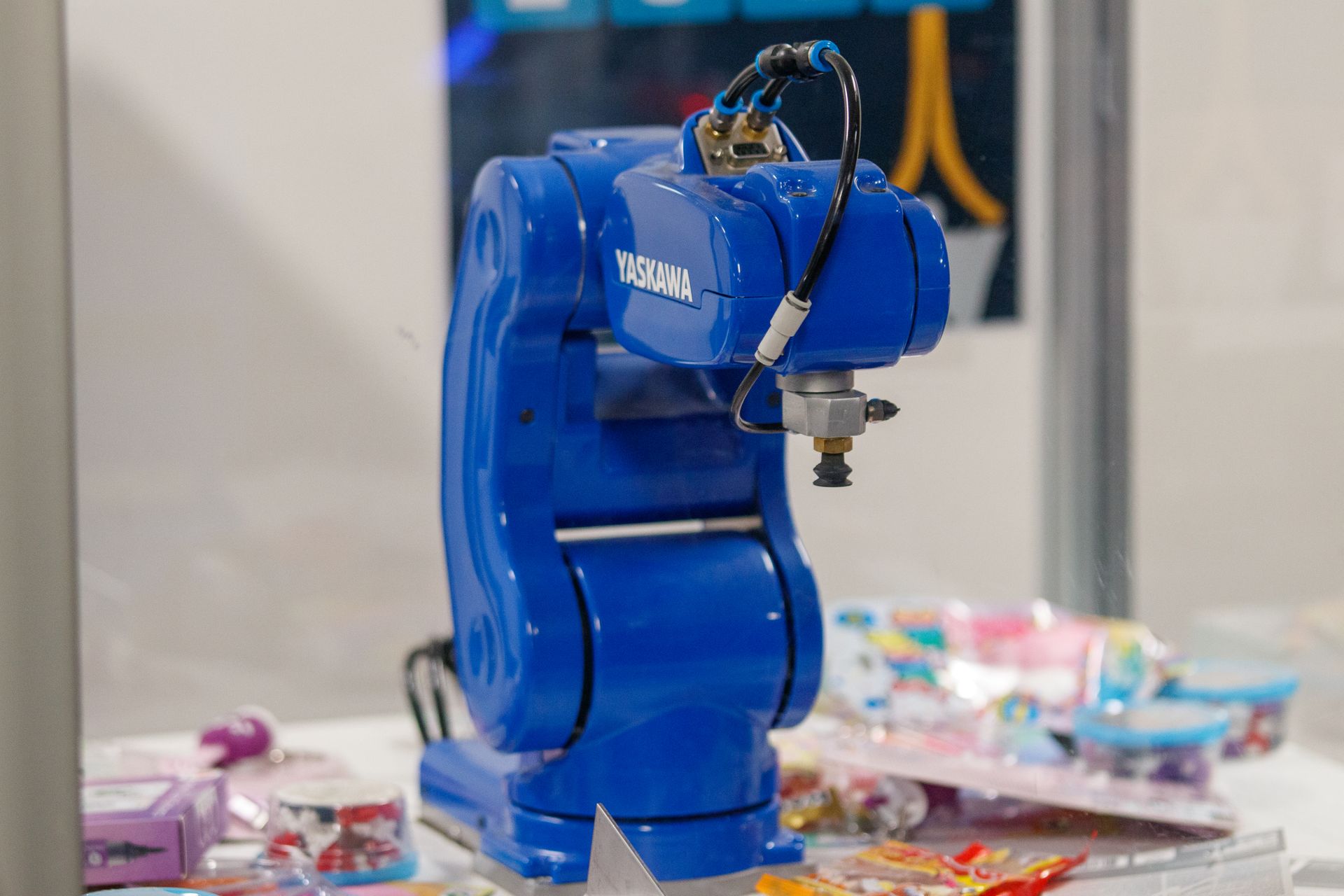
Planned inputs include control code, physical and AI models, recorded sensor streams, and interfaces to sensors, actuators, robots and industrial equipment through SDKs or APIs. An idea first needs explicit assumptions and a testable system definition; a description alone does not establish a valid physical model.
ROS recordings and physics data
ROS and ROS 2 recordings, robotics datasets and physics tools are candidate inputs for replay and scenario construction. A useful source needs units, timestamps, coordinate frames, calibration, provenance and applicable usage rights. Dataset volume does not establish coverage or fidelity. These sources are not yet advertised as installed integrations or a collected dataset.
Development status
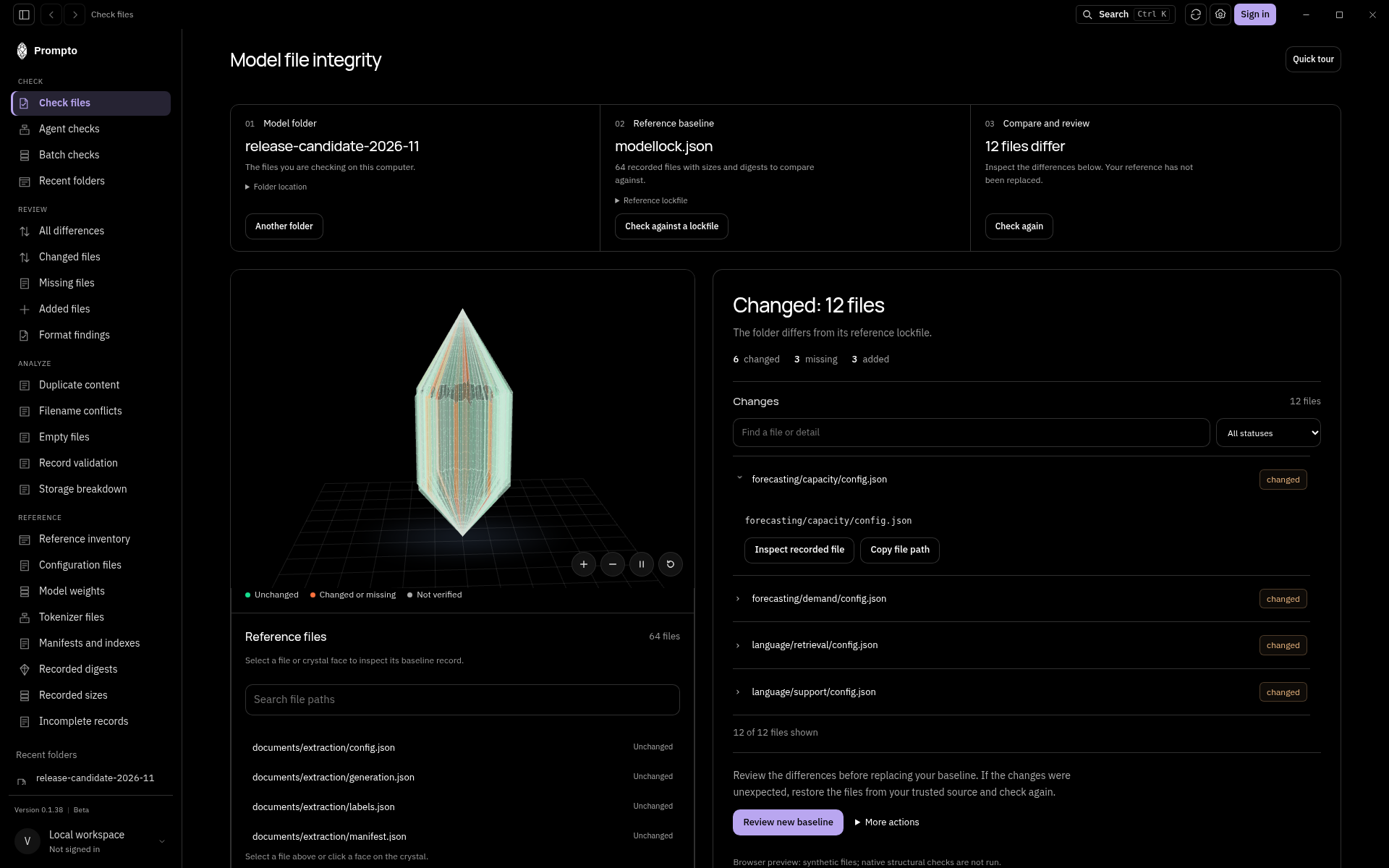
The current public page contains illustrative films and an interactive scenario description. It is not a running general-purpose simulator. Uploading arbitrary code, running it in isolation, live hardware connections, physics validation and automated result generation are development work, not shipping features.
Interpreting the films
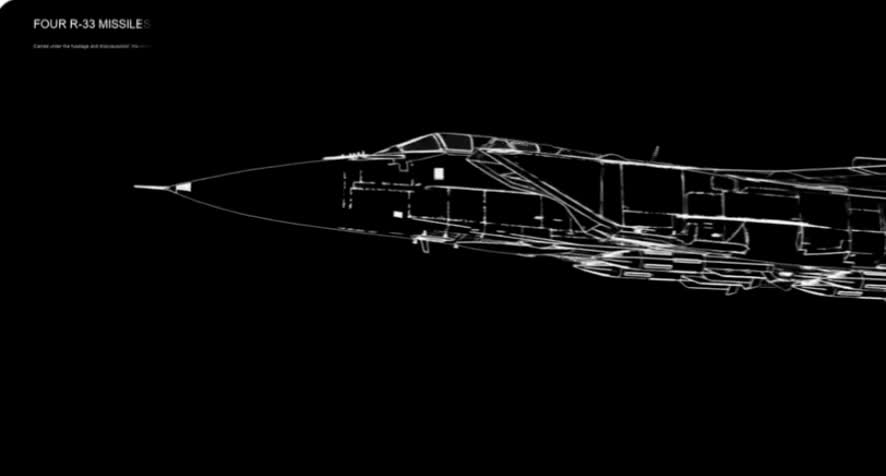
Airframe, rotor and engine animations provide physical context. They are supplied visual studies, not measured Imprint test runs. Simulated results will need the model assumptions, input records, scenario settings and uncertainty alongside the observed response.
Follow [product updates](https://vraelis.com/news), [release notes](https://vraelis.com/changelog) and the [Imprint product page](https://vraelis.com/imprint). Contact Vraelis with a specific system and test scenario to discuss development needs.
 Vraelis
 Foremake Inc.